Stories Forged in Ink & Ash — Tales of courage, memory, and the magic between us.
Welcome—and thanks for stopping by.
This is where I share the stories I’m writing, the lessons I’m learning, and the occasional adventure that refuses to leave me alone.
Whether you’re here because you enjoy fantasy, found one of my essays, or simply wondered who Dennis D. Montoya is, I hope you discover something that makes you smile, think, or see the world a little differently.
Make yourself at home and take a look around. In Forge Notes, you’ll find my latest essays and writing updates. Below, I’ll share what I’m currently working on, along with a story or excerpt as a small thank-you for stopping by.
I hope you enjoy your visit.
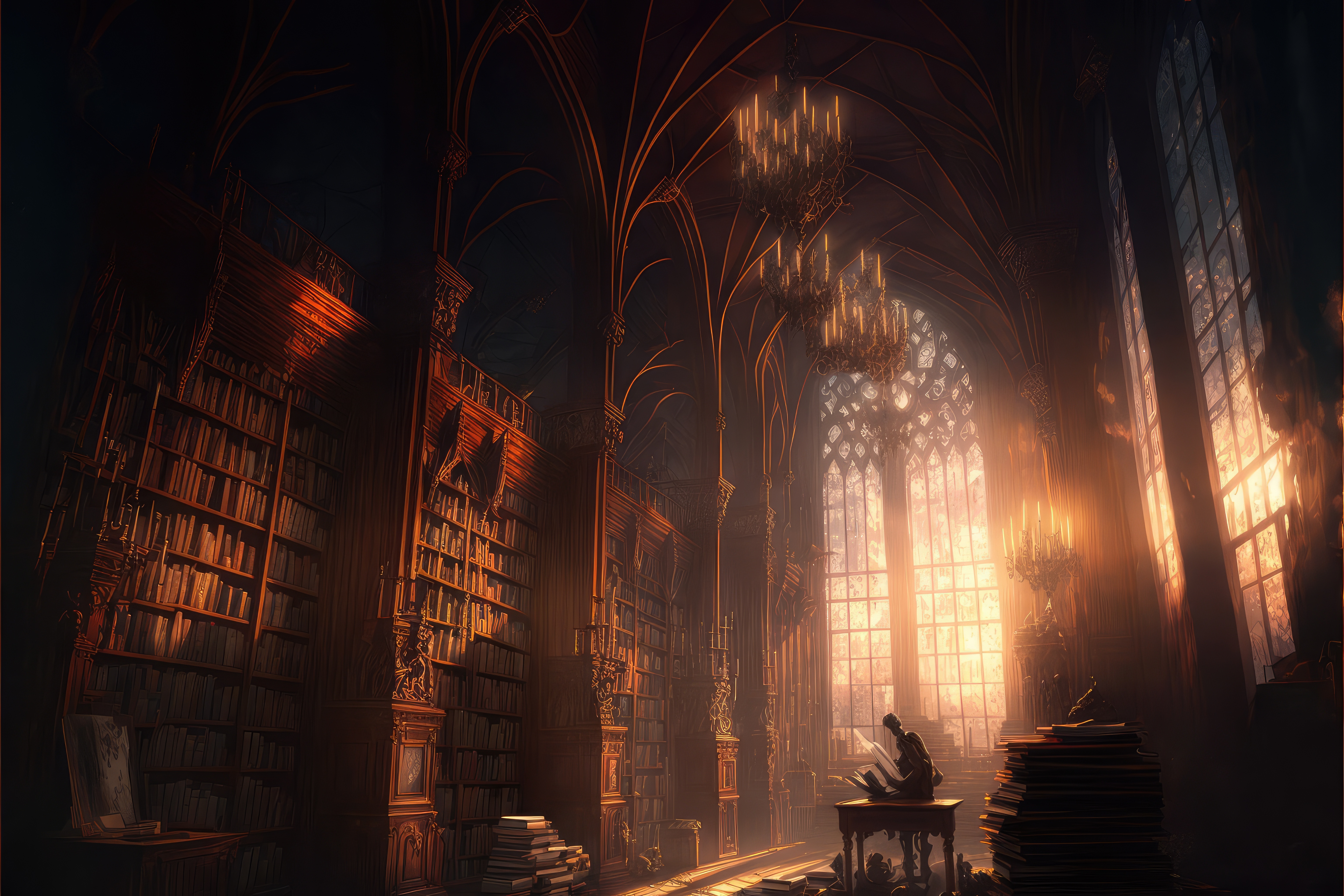
Currently at the Forge
I’m revising The Prophecy of the Bell while outlining new stories about courage, memory, and connection. I’m currently querying literary agents and continuing to submit short fiction and personal essays to magazines and writing competitions. Between revisions, submissions, and late-night bursts of inspiration, it’s been a rewarding season of building a writing career one story at a time.
Not every story finds its way to a magazine or contest. Some remain works in progress, waiting for the right time. This is one of them.
A Proper Home
The house was larger than anything Izzabel had known, and it made her feel like an unwanted guest. Even the air felt different inside it, cooler, cleaner, as though it had been polished to match the furniture. Her mother stepped over the threshold first, smoothing her skirt with hands that wouldn’t quite settle, her face bright in a way Izzy had never seen before, not joy exactly, but relief, like finding a safe harbor in a storm of uncertainty.
“Look at this,” her mother whispered, touching the banister as if it might vanish beneath her fingers. “A proper home. Something I’ve only dreamed about. Can you imagine?”
Izzy stood just inside the door with their single trunk at her feet, listening to the sound the floor made when she shifted her weight listening, but no creaking or groaning, just solid and steady. The kind of steady that didn’t feel like a warning. She nodded, though she wasn’t sure exactly what she was agreeing to.
Servants in starched collars showed them where they would sleep, where her mother would work, where Izzy was meant to stay out of the way. The manor stood on a low rise above the road, broad and stone-built, its walls thick without being tall. It was not a fortress, but it had never needed to be. The windows were narrow and evenly spaced, facing outward more to watch than to welcome. Everything around it was kept—hedges trimmed, paths swept, boundaries clear. It was the kind of place that did not announce its authority because it had never been questioned. Each room felt too large for them, as though the house had not yet decided whether it would allow them to stay. Her mother kept smiling, kept thanking the servants who passed them, her voice soft and careful.
Later, when they were alone for a moment, she said it was better than the muck. Better than she had ever hoped for.
Izzy believed her.
They had barely finished setting down their things when Izzy heard laughter—light and sudden—from the far side of the room. A girl sat near the window, her golden curls catching the light as she moved a porcelain doll across the rug. The doll wore a pale blue dress, spotless and delicate.
The girl looked up and smiled. “Do you want to play?” Holding the doll out as if the answer were already decided.
Her mother slid a protective hand to Izzy. She felt it beside her—a tightening, a calculation. This was a question not meant for them. Before her mother could speak, a man entered the room.
He did not hurry. He didn’t need to. The servants adjusted themselves around his movement without being told—stepping aside, lowering their eyes, smoothing corners he had not yet reached. He carried himself like someone who had never been required to explain a decision, only to make it. His voice, when it came, was mild, practiced. The kind that made refusal feel impolite rather than impossible. His clothes were dark, well-made. His presence filled with authority. “Let the children be,” He waved a hand gently, dismissing concern. “It isn’t often that Gretta is allowed to be happy.”
Gretta. The name landed softly, like something practiced.
“She’s seen so much pain,” he added, his voice lowering. He drifted toward the mantel as he spoke, his gaze lifting to the portrait that hung above it.
Izzy followed his eyes.
The woman in the painting was beautiful in a distant, finished way—dark hair pinned neatly, posture perfect, one hand resting lightly on the man’s shoulder, the other on Gretta’s small head. They looked like a family carved from the same piece of wood: complete, untouchable.
Izzy felt suddenly as though she were standing too close to something fragile.
The woman’s expression was serene, almost removed, as though the sitting had ended long before the painting had. Her fingers rested on Gretta’s hair with a gentleness that felt ceremonial rather than affectionate, while the man’s hand—larger, firmer—claimed her shoulder entirely. Izzy had the strange thought that the portrait was not meant to remember them, but to remind others who belonged where.
Izzabel’s mother’s shoulders eased, just enough to notice.
Gretta rose from the rug and crossed the room, barefoot, tugging gently at Izzy’s sleeve. “Come on,” she said. “We can play here.”
Izzy allowed herself to be pulled forward. The rug was thick beneath her knees, the doll cool and smooth when Gretta pressed it into her hands. The girl leaned close, whispering secrets about the house—where the light was best in the morning, which stair creaked, which lessons she hated most. Izzy listened, careful not to speak too loudly, careful not to move too quickly.
From the corner of her eye, she saw her mother watching them. She sat like a statue, still, hopeful and somehow afraid.
Later, when they were alone again, her mother brushed Izzy’s hair slowly, humming under her breath. “Be good,” she said softly. “Learn what they teach you. This is a chance, our only chance.”
Izzy nodded. She had already begun to learn.
The house rewarded quiet and favored obedience. For a time, that was enough. The servants moved with practiced precision, pausing only long enough for them to keep up—if they learned quickly. Lessons followed.
The dance lesson ended with sore feet and flushed faces. Izzy stood near the wall with the other girls, breath shallow, watching Gretta move through the last steps again at the instructor’s urging. Gretta’s posture was perfect—chin lifted, arms light as if she were being held up by the air itself. Izzy had learned the movements faster, but she had learned just as quickly when to step back.
The man of the house appeared in the doorway, sleeves already rolled to his forearms.
“That’s enough,” he said.
The instructor paused, then smiled, clapping her hands once. “Very good, then,” she said lightly. “You may change.”
The girls dispersed, gathering shawls and slippers, voices rising in relieved chatter. Izzy was bending to retie her shoe when she heard the scrape of boots against the floor—heavier, deliberate.
Gretta brightened, breathless with excitement. “Is it time?”
He nodded. “It is.”
The other girls hesitated, glancing between Gretta and the weapons rack along the far wall—thin practice blades resting neatly in their mounts.
One of them laughed, uncertain. “For us as well, sir?”
“No,” he said easily. “You may go.”
They didn’t need telling twice.
Gretta lingered, fingers twisting in her skirt. “Daddy,” she said, soft but curious, “why do I have to learn this? None of the other girls do.”
He crouched slightly to meet her eyes, his tone patient, indulgent. “Nonsense. Everyone needs to understand fencing. It is the way of the world.” He rose again as he spoke, voice firm now. “It teaches strength, discipline, and timing. A way that sewing lessons never will.”
Gretta nodded, satisfied. “Yes, Daddy.”
His gaze shifted then—to Izzy.
She straightened at once, hands stilling at her sides.
“Well?” he said, not unkindly. “You didn’t think you’d be excused, did you?” A pause, measured. “All right, young lady. If you’re to learn beside my daughter, you’ll learn properly.”
Izzy felt the shift immediately—something important had been bestowed upon her. There was approval in his tone, but it was sharp-edged, conditional. The sort that could be withdrawn without notice. Izzy recognized it at once: not kindness, but investment. She had crossed from being tolerated to being evaluated.
“Yes, sir.”
He handed her a practice blade. It was heavier than she expected, solid, real, and capable.
“Stand,” he instructed. “Feet apart. Balance first.”
Izzy obeyed. She always did.
Behind her, the dance instructor watched with a look Izzy couldn’t read. Somewhere down the hall, she heard her mother’s voice, distant and busy, folded into the sounds of the house at work.
Gretta grinned at her, bright and conspiratorial. “It’s fun,” she whispered. “You’ll see.”
Izzy lifted the blade.
She was learning quickly now.
By the fourth summer, she was tall and lean, a head taller than when she arrived, her brown curls falling to the middle of her back. They learned to ride the Sunland horses in the early mornings, when mist still clung to the fields, and to shoot arrows in the afternoons, when the light steadied their hands. Gretta struggled with the bow; Izzy did not.
“Again,” the man said once, watching Izzy’s stance. Then, without looking at his daughter, “Why can’t you hold yourself like that, Gretta?”
Gretta’s mouth tightened. Izzy said nothing.
They danced only when they were sure no one would come—bare feet, skirts tucked up, laughter swallowed quickly. “Daddy doesn’t like this one,” Gretta whispered once, smiling anyway.
Izzy learned which lessons earned approval, and which ones she learned to keep to herself.
That night, Izzy’s mother sat beside her on the narrow bed they shared, brushing out her hair by candlelight. The room was small but warm, tucked beneath the eaves, with a window that looked out over the manor grounds. From there, they could see the lights in the main house—steady, golden.
“Can you believe it?” her mother said softly. “A place like this.” She smiled to herself as she spoke, as though saying it too loudly might dispel the charm. “To live in a proper manor. A lord’s house, even if we are only servants in it.”
Izzy leaned into the brush, listening. Her mother’s voice had changed since they arrived—lighter, hopeful.
“It’s a good house,” her mother continued. “A strong one. We’re lucky to belong here.”
The word belong settled somewhere in Izzy’s chest.
A soft knock came at the door before either of them could speak again.
Gretta stood in the hallway, her nightdress pale in the lamplight, curls loose around her shoulders. “Daddy said you could sleep in my room tonight,” she said, as if it were the most ordinary thing in the world. “We can play with the dolls. And—you said you’d help me with my dialects.”
Izzy glanced at her mother. For just a moment, she saw the old caution flicker there. Then her mother smiled. “Go on,” she said. “Be good.”
Gretta took Izzy’s hand and led her down the hall, past doors Izzy knew she wasn’t meant to open. Gretta’s room was larger than Izzy’s entire space, with shelves of books and toys arranged just so. They sat cross-legged on the bed, whispering, practicing words under their breath—Midreach Elvish, soft and rounded, slipping easily from Izzy’s tongue.
“Say it again,” Gretta urged, laughing. “You make it sound easy.”
Izzy smiled, pleased despite herself.
Later, when the candles were blown out and the house had gone quiet, Izzy lay awake beside Gretta, listening to the distant creak of the manor settling around them. For the first time since they arrived, she felt as though the walls had closed gently rather than shut her out.
She thought of her mother’s words. A good house. A place to belong.
She believed it.
To be continued… perhaps.
Enjoyed this story?
Stories begin as ideas, grow through countless revisions, and sometimes find their way into novels, magazines, or contests. If you’d like to hear about new stories, writing updates, or upcoming projects, you’re welcome to join me.
 Dennis D Montoya